The advent of digital technology has had a transformative effect on various industries, and the real estate market is certainly no exception. While traditional methods of buying and selling properties still have their place, the significance of online listings has surged exponentially in recent years. The common denominator of these listings? High-quality, captivating photography—more specifically, real estate photography. But what does real estate photography entail? Why is it important? And what should you know about this specialized field? Let’s explore these questions in depth.
What Is Real Estate Photography?
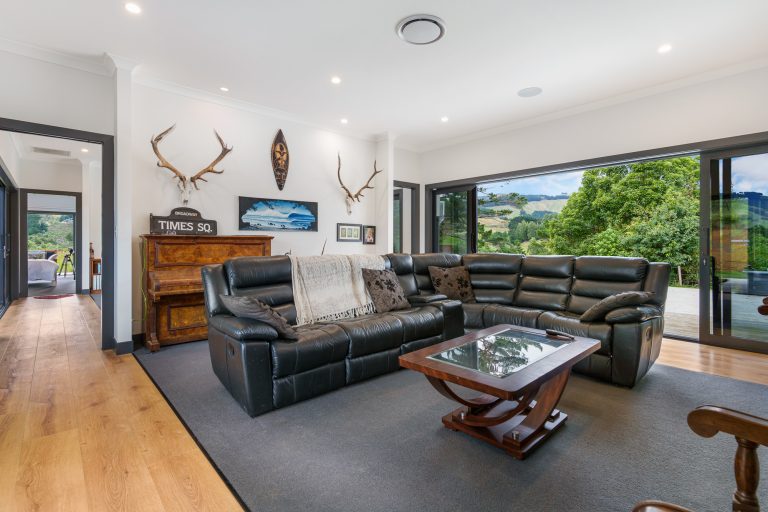
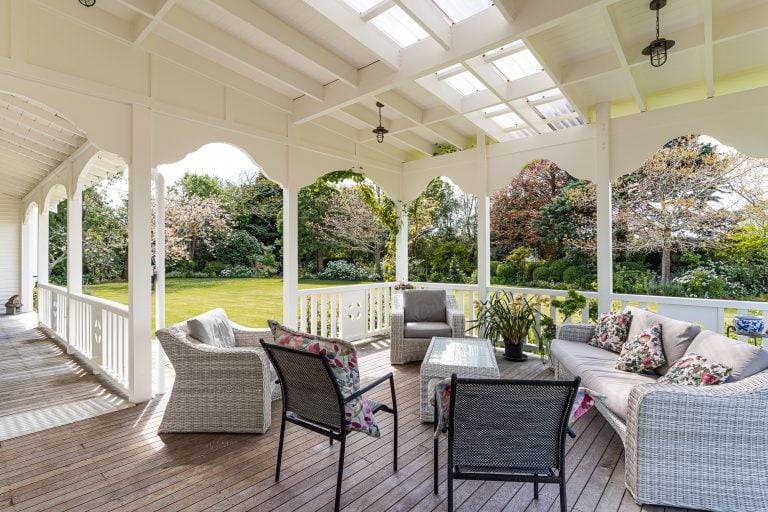
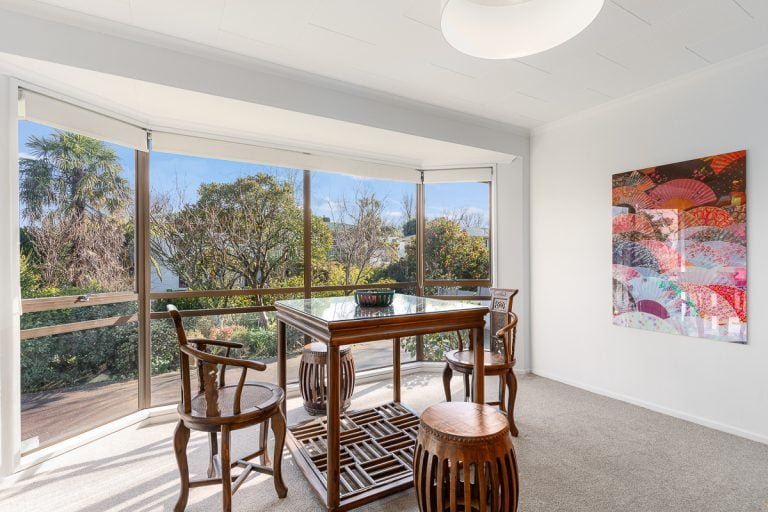
In the most basic terms, real estate photography is a specialized area of photography aimed at showcasing properties—both residential and commercial—in their best light. The ultimate goal is to create visually appealing, accurate, and engaging images that offer a clear view of the spaces within the property. These images serve as a compelling visual aid in sales listings, giving potential buyers or tenants an insight into what they can expect.
The Importance of Real Estate Photography
The significance of high-quality real estate photos cannot be overstated. In the digital age, buyers and tenants typically begin their property search online, making the images you present their first interaction with the property. According to statistics, listings with professional photography not only receive more views but also higher engagement and quicker sales at increased prices.
The Online First Impression
In a crowded online marketplace, standing out is crucial. According to research, professionally photographed properties are more likely to be viewed and sell faster than their poorly photographed counterparts. This is especially significant given that around 90% of buyers start their home search online.
Investment Returns
While hiring a professional real estate photographer may come at a cost, the investment often yields substantial returns. Well-executed photos have been shown to increase the final sale price of a property by a considerable margin, making the cost of a professional shoot a small price to pay for the potential returns.
The Anatomy of Real Estate Photography
Real estate photography isn’t merely about pressing a shutter button; it’s a blend of art and science, encompassing various aspects such as lighting, composition, and post-processing.
Lighting
The use of lighting in real estate photography is paramount. Properly lit spaces appear inviting, warm, and clean. Natural light is usually the best choice, but additional lighting may be required to illuminate dim corners or accentuate features. Techniques such as High Dynamic Range (HDR) photography are often used to balance the light levels in a room effectively.
Composition and Angles
A well-composed photograph can transform an ordinary room into an extraordinary space. Capturing the room from the right angle is crucial. Many photographers employ wide-angle lenses to capture more of the space in one frame, giving potential buyers a better sense of the size and layout. The ‘Rule of Thirds’ is another foundational concept often used to balance elements in a photo artistically.
Post-Processing
The post-processing stage involves fine-tuning the images to make them listing-ready. This can include color correction, exposure adjustments, and even virtual staging to show the potential of an empty or unfinished space. Software like Adobe Photoshop and Lightroom are industry standards for these tasks.
Essential Gear for Real Estate Photography
The quality of the final product is often dependent on the tools used to create it. Essential gear typically includes:
High-Resolution Camera: DSLRs or mirrorless cameras are usually the preferred choice for their flexibility and quality.
Wide-angle Lens: A lens with a focal length of around 16-24mm on a full-frame camera is often ideal for capturing interior spaces.
Tripod: For stabilizing the camera, especially in low-light conditions.
External Flash and Light Diffusers: These help balance interior lighting, reducing harsh shadows and bright spots.
Drone: For capturing aerial photos, especially useful for large estates or commercial properties.
Software: Programs like Adobe Photoshop and Lightroom for post-processing.
The Business Aspect of Real Estate Photography
The demand for skilled real estate photographers has risen sharply with the digitalization of the property market. Many photographers are specializing in this niche, serving real estate agents, homeowners, and commercial property owners. The fees can vary widely based on location, property size, and the complexity of the shoot, but it’s not uncommon for professional real estate photographers to charge several hundred to a few thousand dollars per project.
Marketing and Branding
As in any business, marketing and branding are critical. Building a portfolio, networking with real estate agents, and utilizing social media platforms can go a long way in establishing a successful real estate photography business.
Conclusion
Real estate photography is a fascinating and multi-faceted specialty that plays a pivotal role in the property market. It combines technical skill with artistic flair to present properties in their best possible light. For sellers and agents, investing in professional real estate photography is not just a selling strategy; it’s an investment with demonstrable returns. And for photographers, it offers a lucrative avenue that challenges both their technical expertise and creative skills.
The essence of real estate photography is not just to capture spaces but to communicate a lifestyle, to tell a story of what living in that space could be like. With its undeniable impact on the speed and price of property sales, this specialized field has become indispensable in today’s digital real estate landscape. Whether you are a seller, a buyer, or someone interested in the craft, understanding the value of real estate photography is crucial in the modern world.